Speculate on combined price of 2000 small cap companies

Hedge a portfolio of stocks against potential market declines


E-mini Russell 2000 index futures are based on the Russell 2000 stock index and are a subset of the Russell 3000 index which tracks the 3,000 largest US traded stocks. Also known as the small-cap index, the Russell 2000 index is a popular measure of small stock performance and economic growth in the US.
The Russell 2000 index is a cap-weighted index, where stocks with higher capitalization values are weighted more heavily in calculating the price of the index.
The stocks that make up the Russell 2000 index futures include companies in emerging industries or niches that may be poised for significant growth. As a result, the Russell indexes have become some of the most quoted indexes in the world for small cap stocks. Additionally, stocks are added and removed from the index based on the changes in the market capitalization values of stocks.
E-mini Russell 2000 index futures (contract symbol = RTY) provide access to trading opportunities within an active and highly quoted stock index reflecting small cap stocks attractive to stock investors. Benefits of trading E-mini Russell index futures include the ability to:
Speculate on combined price of 2000 small cap companies
Hedge a portfolio of stocks against potential market declines
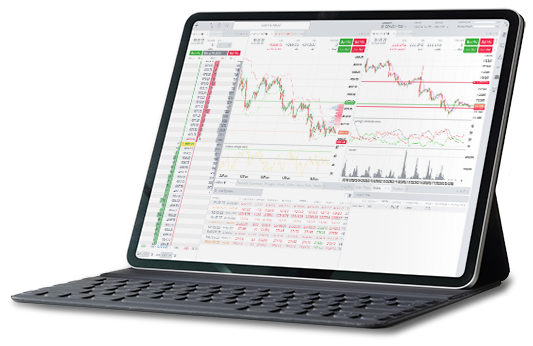
At 1/10th the size of the standard E-mini contract, Micro E-mini futures allow traders to access the highly liquid equity index futures markets with reduced costs, and margins as low as $50. Other advantages of trading these bite-sized Micro E-mini Russell 2000 futures contracts include:
Micro Russell E-mini futures contracts provide an ideal entry point for new futures traders to start small and scale up as you become more comfortable in the live markets.
*Leverage also increases the risk associated with futures trading, and only risk capital should be used for trading

E-mini Russell 2000 index futures traders can be broken down into three main groups:
Although the E-mini Russell 2000 index futures market is made up of 2,000 smaller cap stocks, prices can still fluctuate significantly during the trading day and can be highly sensitive to economic news and earnings reports. There are several factors that can influence the price of a major market stock index like the Russell 2000 futures—such as changes in economic conditions and news events—which can quickly turn market sentiment. Additional factors include:

Economic indicators such as GDP growth, inflation rates, and employment data can have a significant influence on market sentiment and investor confidence. Positive economic data, such as strong GDP growth or declining unemployment rates, can drive prices for the index futures higher; negative economic data can lead to a decline in prices as investors become more cautious and risk-averse.

Changes in interest rates and monetary policy decisions can also impact the price of E-mini Russell 2000 index futures. When interest rates are low, they can stimulate borrowing and investment, which tends to boost stock prices. Conversely, when interest rates rise, borrowing becomes more expensive, potentially reducing economic activity and causing stock prices to decline.

Learn to leverage technical analysis to target futures trading opportunities and identify trends using chart types, indicators and more.

Get started on your path to learn how to trade futures through our introductory video series outlining the first steps in your trading journey.
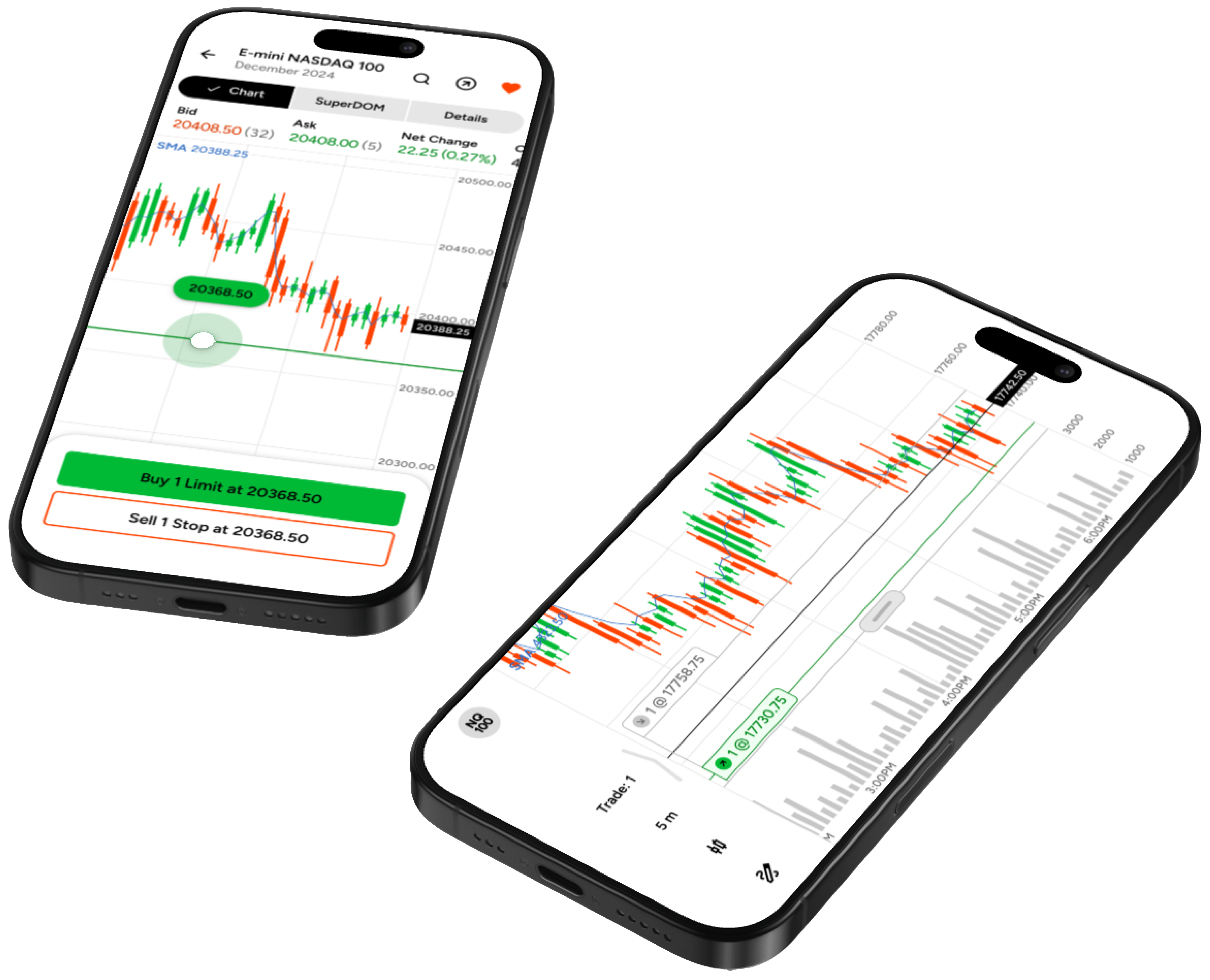
Similar to other equity index futures contracts, the primary risk of trading E-mini Russell 2000 index futures or Micro E-mini Russell 2000 futures is that the price will go against the trader’s position. Using appropriate trade sizing for your account size and having a robust risk management plan that includes stop losses or a trailing stop can help limit your financial exposure.
With many factors that can influence short-term and long-term performance, keeping abreast of economic activity that can impact the earnings of small cap companies—including changes in interest rates, economic reports, and US central bank (Fed) policy—is critical.
As the E-mini Russell 2000 index can be correlated to other major market indexes, it is a good idea to track the other indexes including the E-mini S&P 500 index futures, the E-mini Nasdaq 100 index futures, and the E-mini Dow index futures.
Tips to keep in mind especially for newer futures traders include:
E-mini Russell 2000 index futures contracts are standardized exchange-traded contracts that represent the value of 2,000 small cap stocks traded in the U.S. The value for a 1 point move in the standard contract is $50 or $5.00 for the 1/10 size micro contract.
Retail traders typically buy and sell futures contracts to speculate if the price will go up or down. Major market index futures contracts are cash settled at expiration. You can trade the E-mini Russell 2000 index futures on the 24-hour electronic CME Globex system.
| Standard [Asset] Futures | Micro [Asset] Futures | |
|---|---|---|
| Symbol | RTY | M2K |
Exchange | CME Globex | CME Globex |
| Contract point value | $50 USD | $5.00 USD |
| Minimum price fluctuation | .10, (50 * .10 = $5.00 per contract per-minimum move) | .10 (5 * .10 = $0.50 per-contract per-minimum move) |
| Trading hours | Sunday 6:00 p.m. ET to Friday 5:00 p.m. ET | Sunday 6:00 p.m. ET to Friday 5:00 p.m. ET |
| Listed contracts | Quarterly: March(H), June(M), September(U), December(Z) - 9 Quarters Out and 3 Additional December Contracts | Quarterly: March(H), June(M), September(U), December(Z) - 5 Quarters Out |
| Expiration style | 3rd Friday of every listed contract month | 3rd Friday of every listed contract month |
| First notice date | Not applicable | Not applicable |
| Settlement | Financially settled | Financially settled |
| Additional Specifications | View all from CME Group | View all from CME Group |

Ready to start trading E-mini Russell futures or Micro E-mini Russell futures? NinjaTrader is here to support you. With award-winning features and daily premium market commentary with industry pros, NinjaTrader equips you with the tools you need to embark on your trading journey.